We did some good things out there in those little voting booths yesterday…most of us…but a hearty “good on ya” to everyone who took the trouble to participate in the process beyond just running their mouths (or their typing fingers). And as my old high school biology teacher (and football coach) used to say each Monday morning in the fall, “I’d like to say jest a few words about the happ’nins of last week.”
 This morning McClatchy ran a pretty good early analysis of why a president who seemed to be in a neck and neck race for re-election ended up winning so decisively.
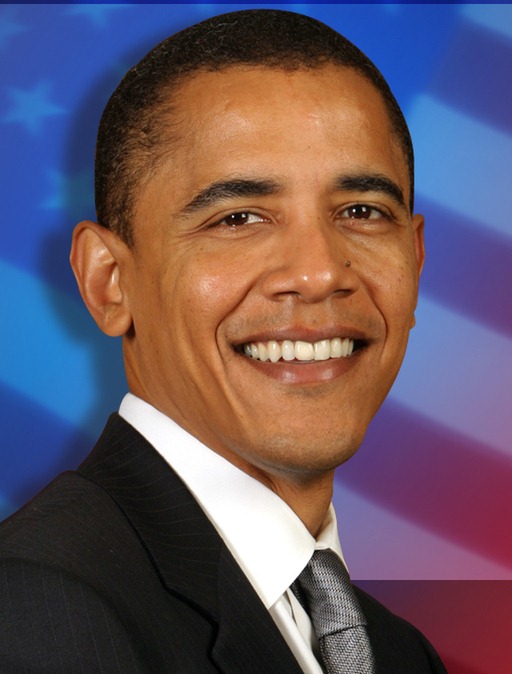
…Democrats say [President Barack] Obama was able, despite the sluggish economy, to point to achievements. He trumpeted success at preventing the economy from hitting bottom with a stimulus plan that plowed government dollars into hiring. He achieved long-sought health care legislation, enacted a firewall to prevent a relapse of the Wall Street fiasco, backed a federal bailout to save auto industry jobs, ended the war in Iraq and oversaw the raid that ended in the death of Osama bin Laden.
“Osama bin Laden is dead and General Motors is alive,” Vice President Joe Biden suggested as an Obama campaign bumper sticker. “That about sums it up, man.”
At the close of the election, Obama was boosted by a crisis beyond any candidate’s control. As the massive storm Sandy barreled up the East Coast, Obama suspended his campaign appearances to tend to the emergency response, projecting an air of confidence and compassion and avoiding the criticism that plagued former President George W. Bush in the wake of Hurricane Katrina.
Oh, and on that neck and neck thing: Nate Silver of The New York Times 538 Blog, the target of a lot of conservative venting over his analysis of state by state polls which predicted that Obama had a way better than 50-50 chance of winning, is the smartest man on the planet today: if by now we know that Obama won Florida, Silver picked every. state’s. outcome. correctly.
“Journalists who professed to be political experts were shown to be well connected, well-informed perhaps, but – on the thing that ultimately decided the result: how people were planning to vote – not well educated. They were left reporting opinions, while Nate Silver and others reported research.”
Politico has a list of the dozen things we learned yesterday.
7. The Bush problem lingers
Romney’s refusal to triangulate away from President George W. Bush is one of the stranger decisions he made in this political climate.
Exit polls from Tuesday night show that a majority of voters still blame Bush for the weak economy.
This could be cause for concern for former Florida Gov. Jeb Bush, who is widely viewed as a potential 2016 hopeful and is a middle-of-the-road voice on immigration reform. It’s also an issue in terms of some of the Republicans’ top figures, such as Crossroads co-founder and former Bush political strategist Karl Rove.
How the Republicans deal with this in the next two years will be telling as their chances of reclaiming the White House next time around.
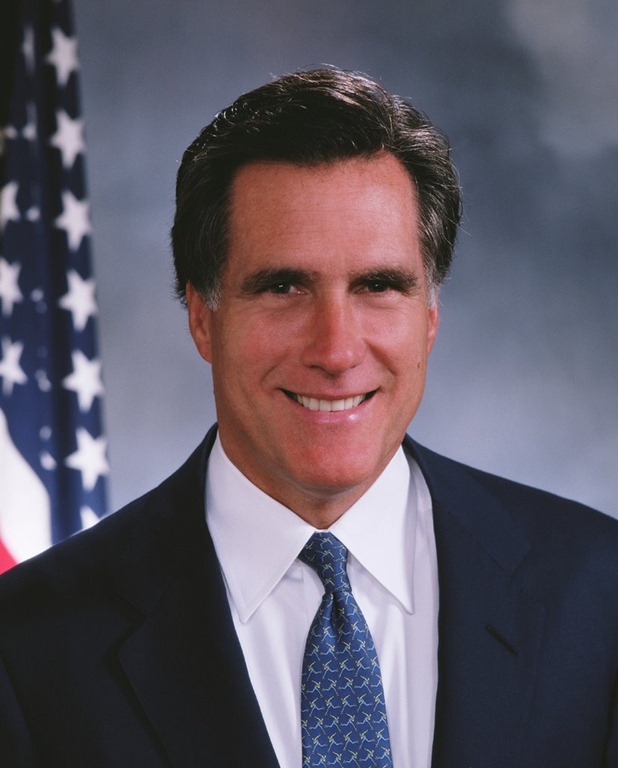
One more thing I learned is that Mitt Romney, though clearly in emotional pain when he took the stage in Boston, was incredibly gracious in defeat, setting a terrific example when he said “This is a time of great challenge for America, and I pray that the president will be successful in guiding our nation.” Compare that to the creepily gleeful declaration from Republican leaders four years ago that their highest priority was to make Obama a one-term president, a priority they pursued with no discernible concern for the impact of their actions on the nation they claimed to love and swore to serve. Those among them who don’t try to live up to Romney’s “come together” example are giving us a glimpse of their true motivations.
Speaking of their motivations, LZ Granderson thinks the president has won some vindication from those who’ve been clamoring to “take our country back” and have never seemed to have been able to give Obama credit for anything he’s done.
So when he was awarded the Nobel Peace Prize, his critics spent more time discrediting the importance of the award than congratulating him for winning it.
When unemployment fell under 8%, they accused the Obama administration of fixing the numbers.
When the president opted to campaign instead of surveying the damage caused by Hurricane Isaac sooner, he was called selfish. When Obama left the campaign trail to survey the damage caused by Hurricane Sandy, former FEMA Director Michael Brown criticized him for responding too quickly.
Nothing he did was good enough for them.
But on Tuesday, it was good enough for the majority of real Americans.
The drive to extend equal protection of the law to homosexual citizens and give them the right to marry under civil law cleared another hurdle: for the first time, voters have said yes to same-sex marriage. Lots of them, in fact.
The extremists who shanghaied the once-proud Republican Party must consider if they will moderate their views on many issues to broaden their appeal or if they’d rather defend those cherished beliefs…and lose election after election because, inconvenient though it may be to admit, most Americans just don’t agree with what they seem to stand for.
Meanwhile, the president and the current Congress must pick up the can they kicked down the road a year ago and find an answer to correcting our government’s budget deficit: if they take no action at all, there will be massive cuts to discretionary spending at the first of the year that may well push the economy into another recession. Swell.
OK then…let’s talk about something else for awhile, OK?